Victor Siret: A/C Tales
14 May–4 July 2026
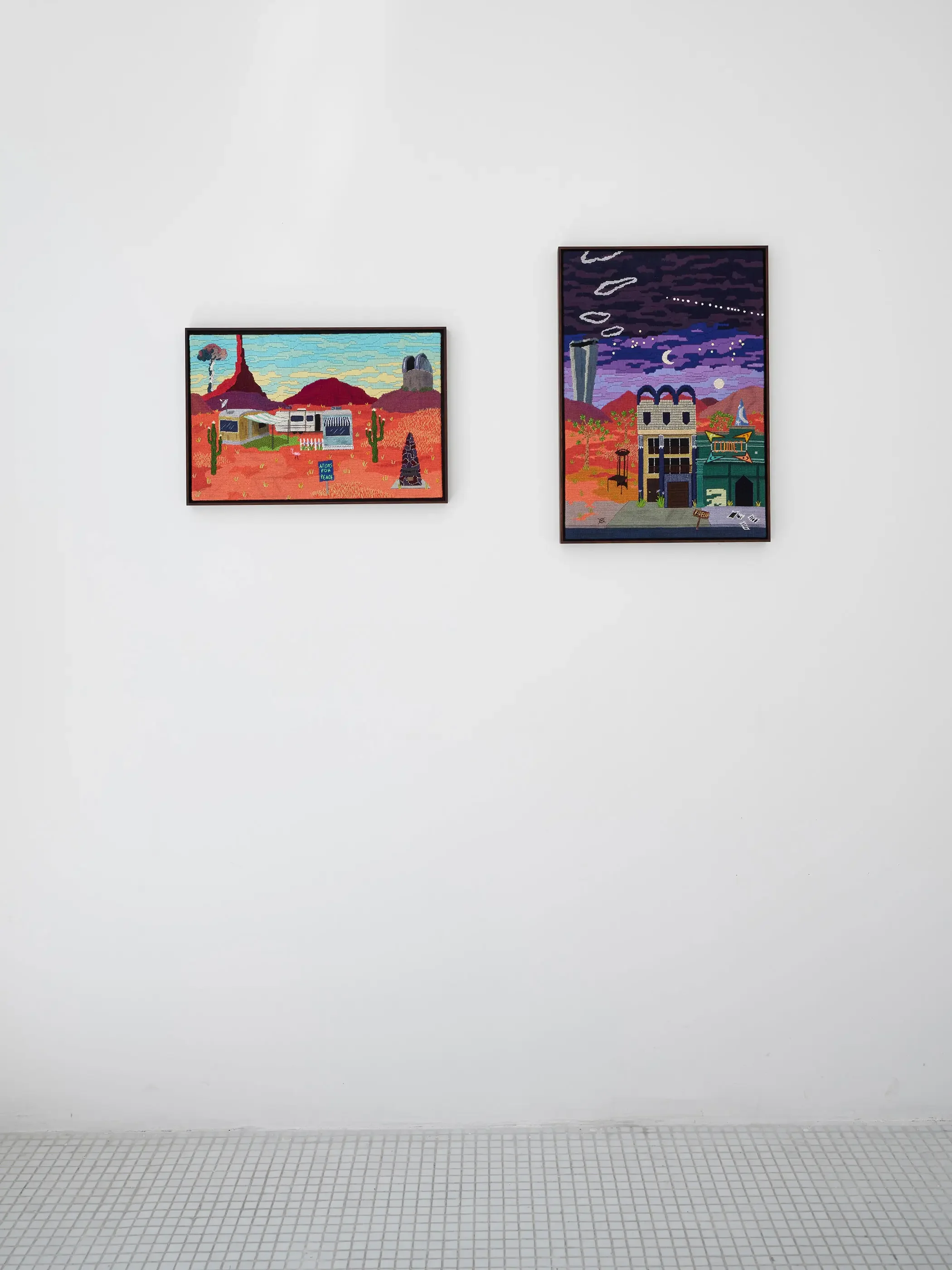
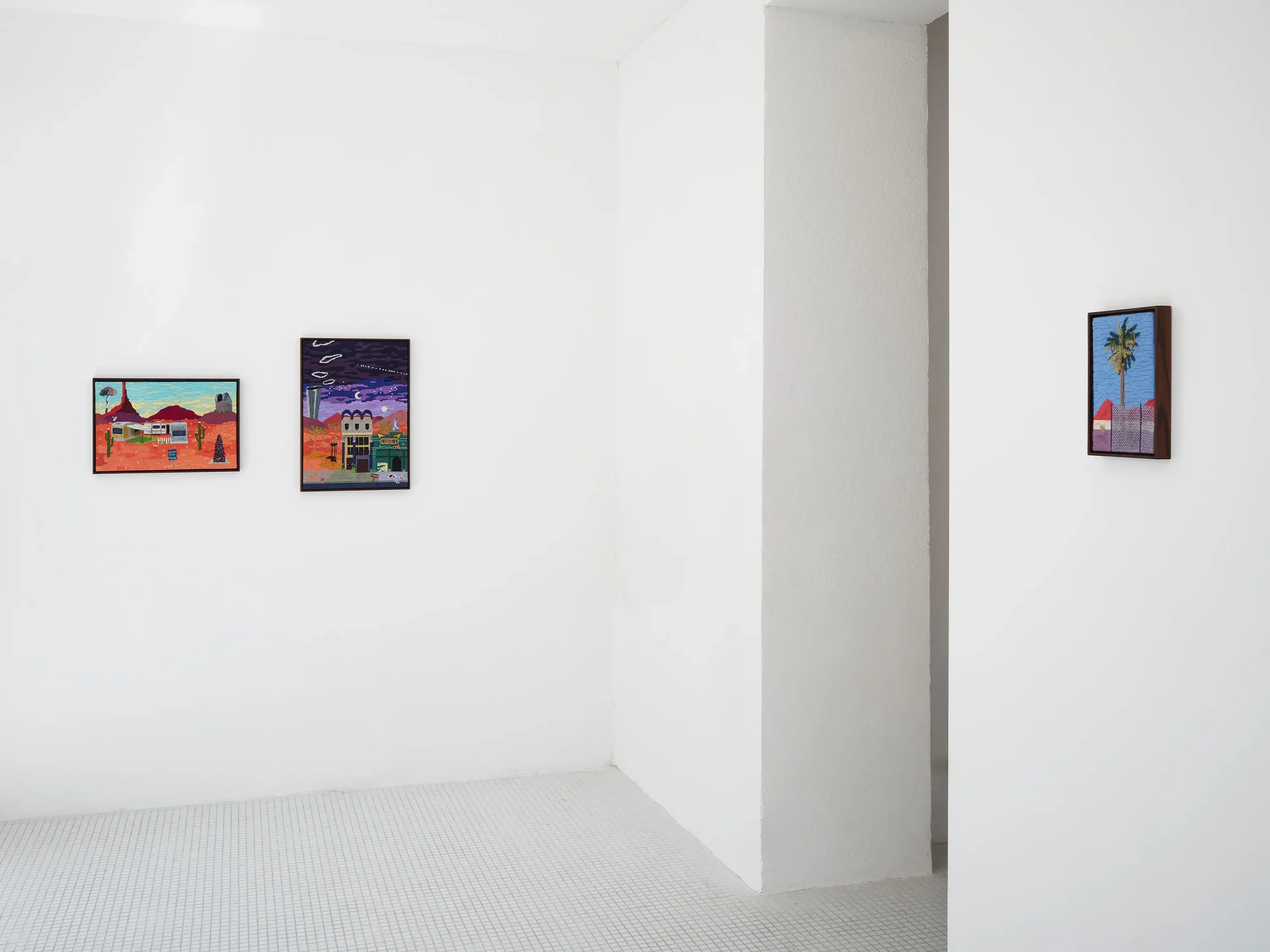
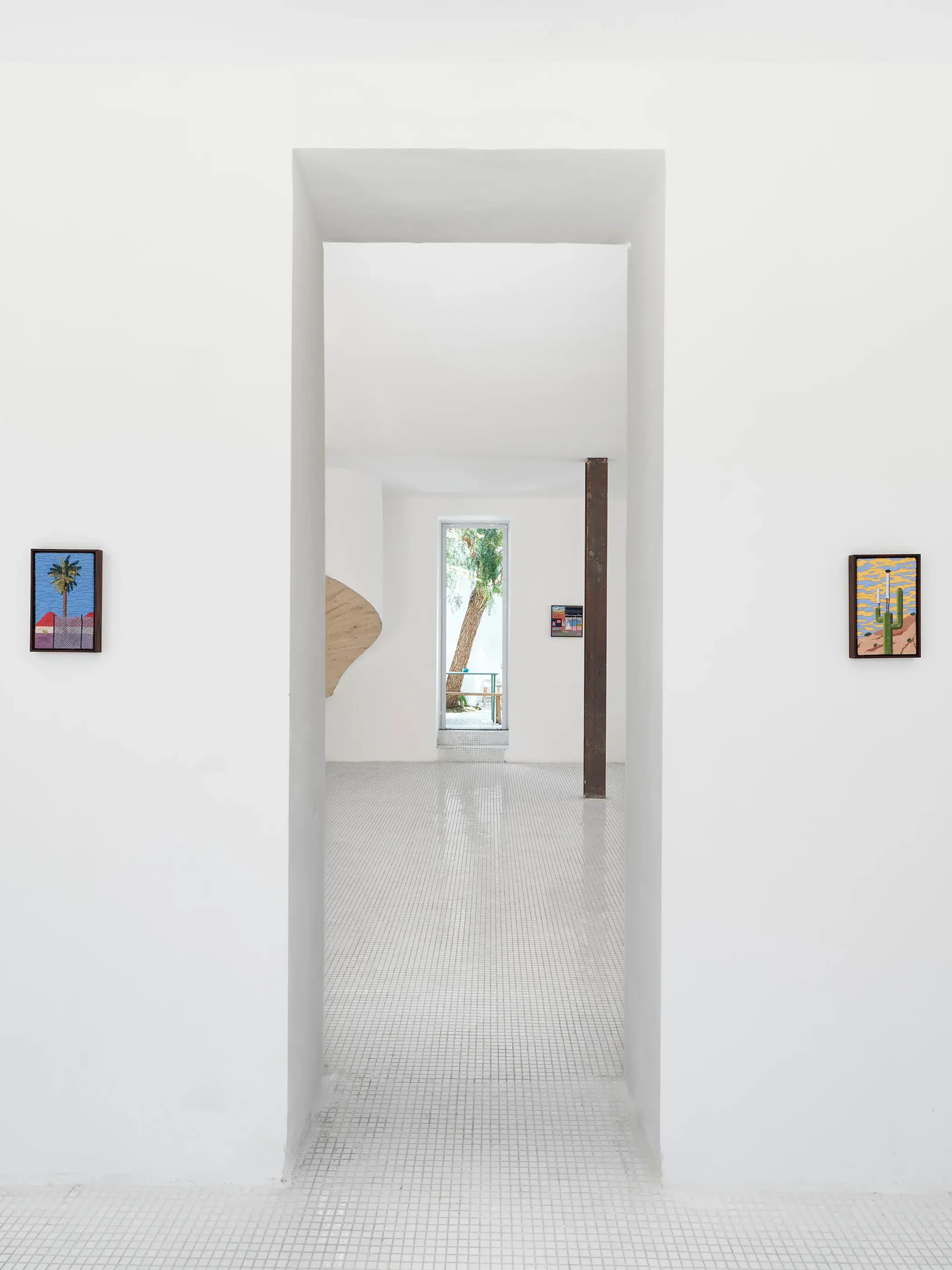
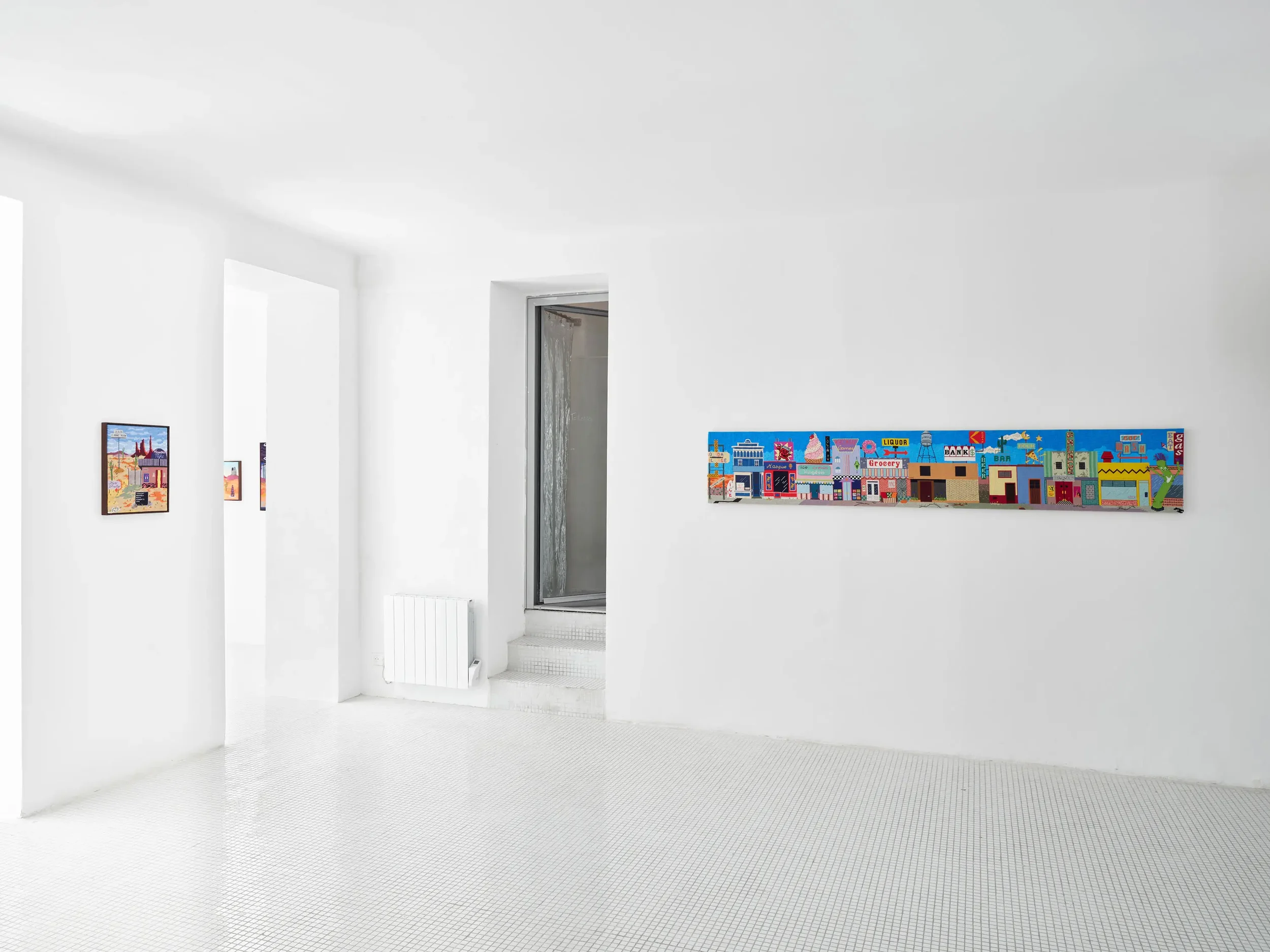
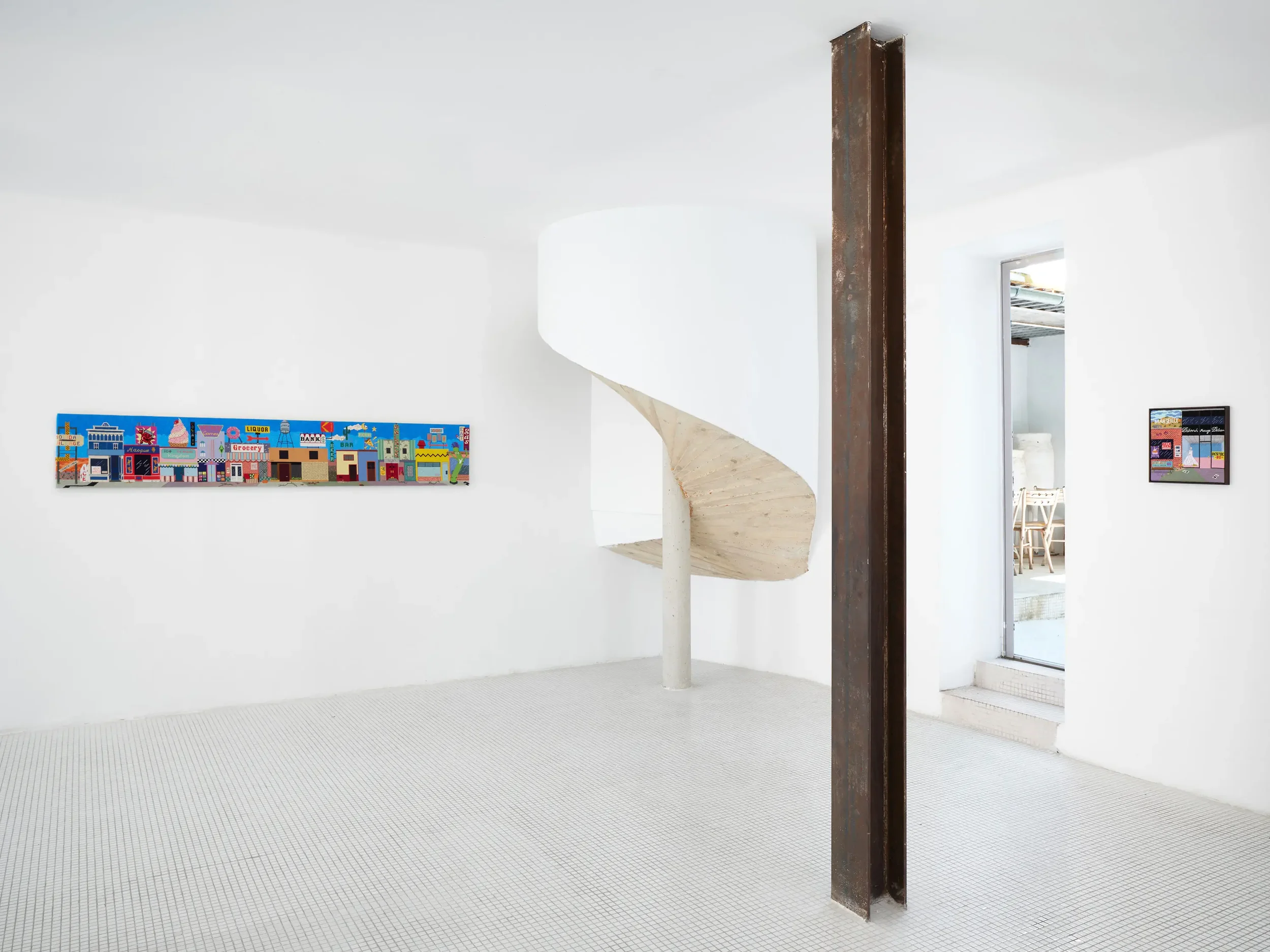
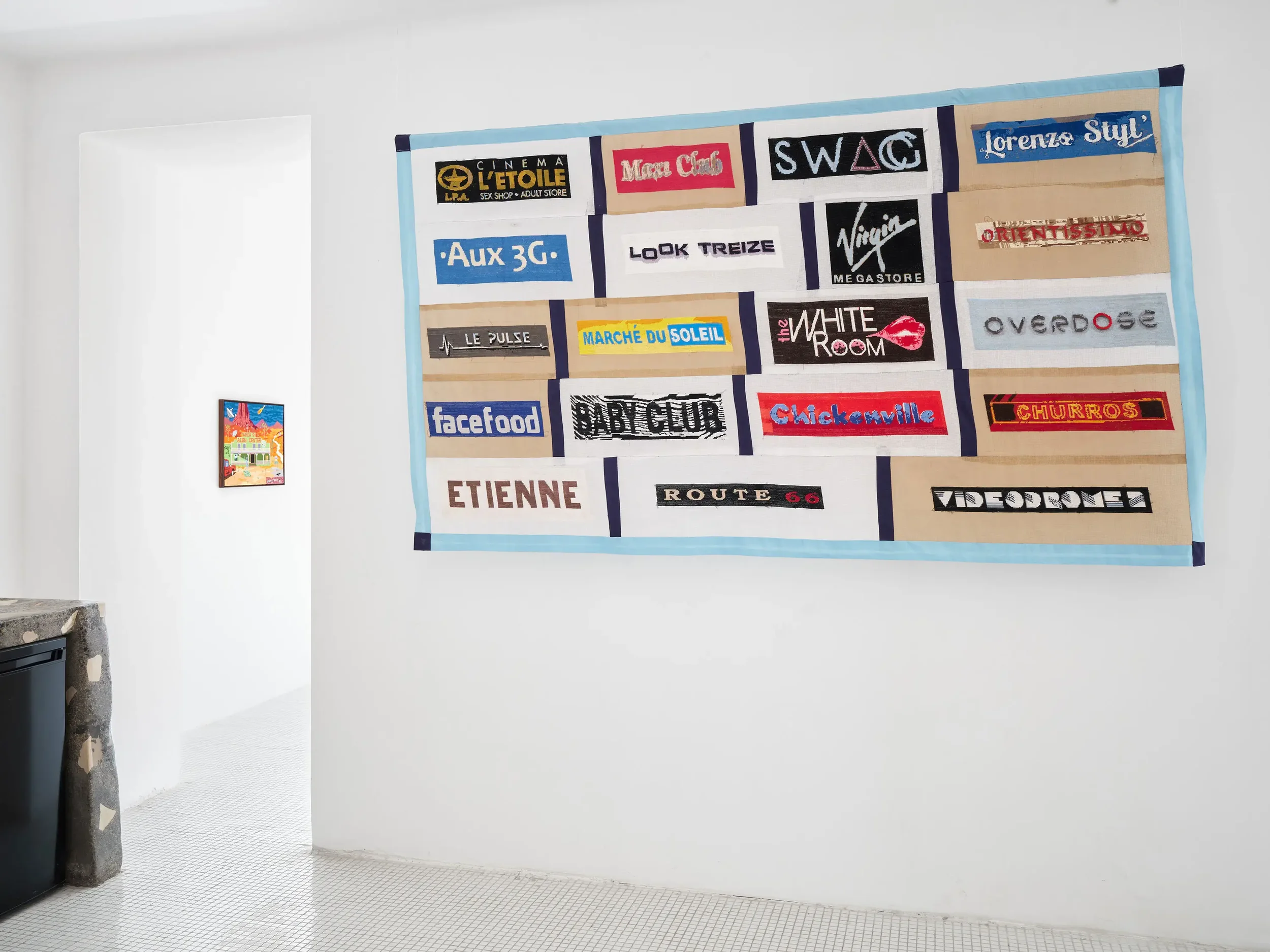
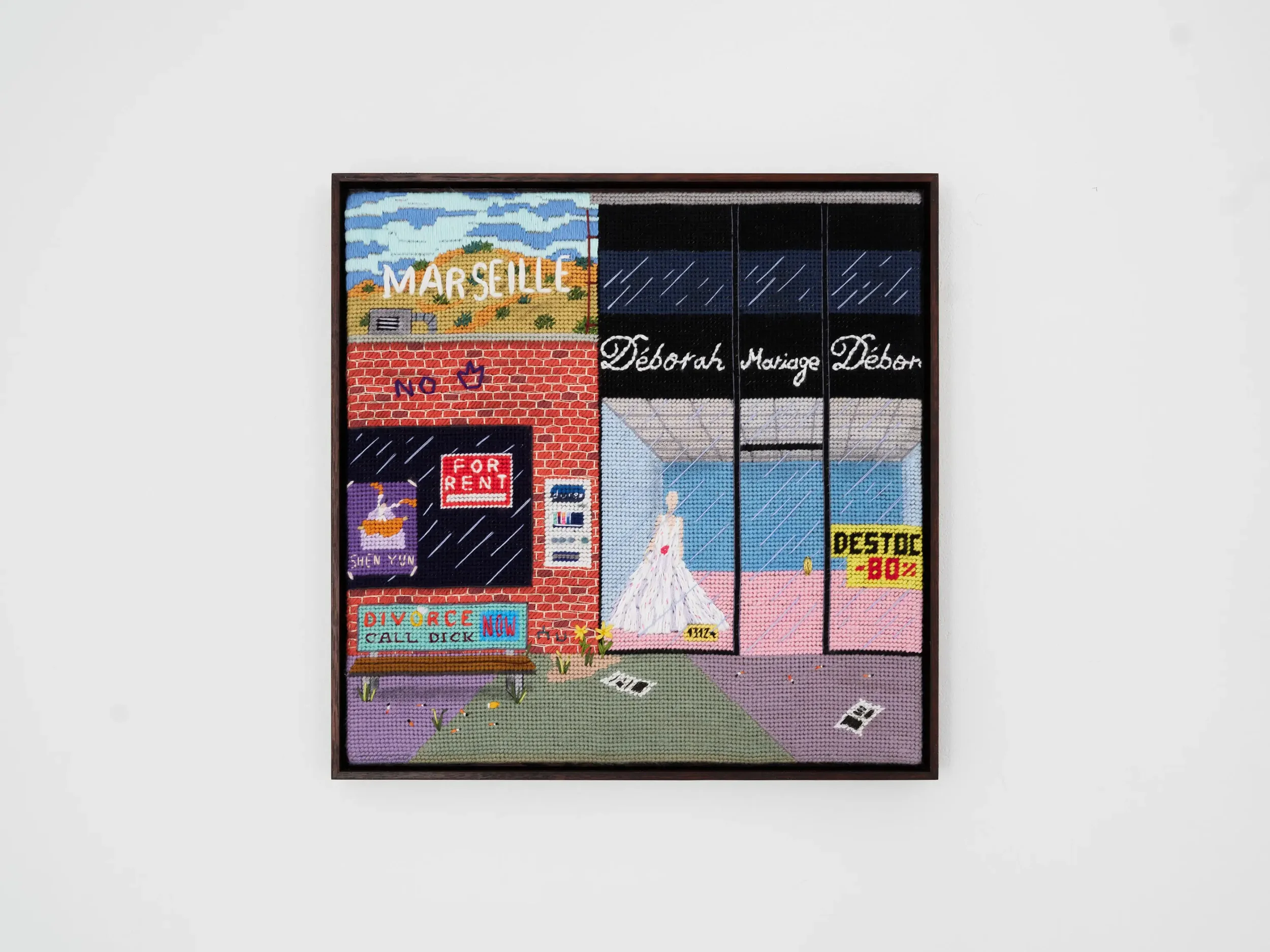
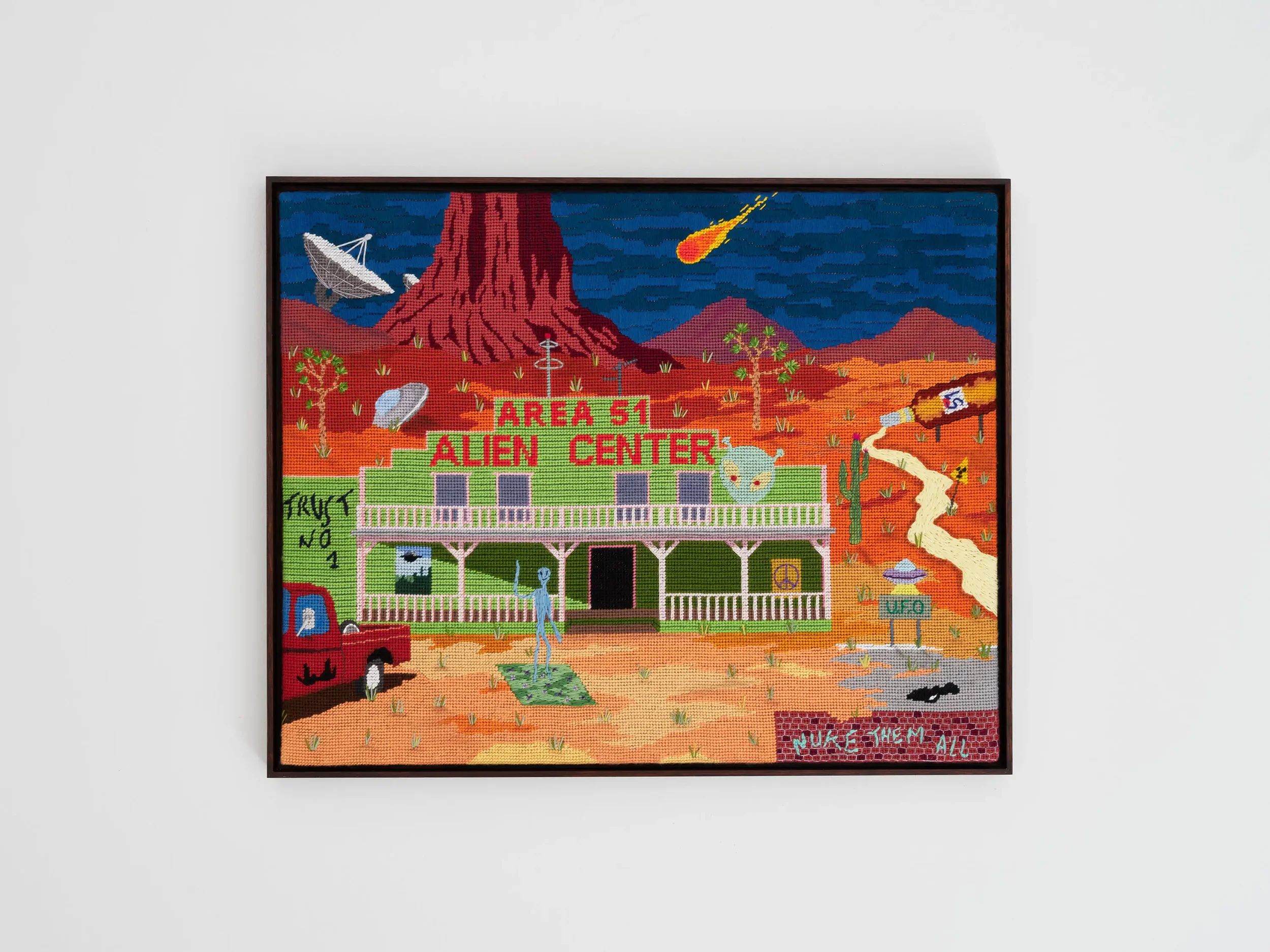
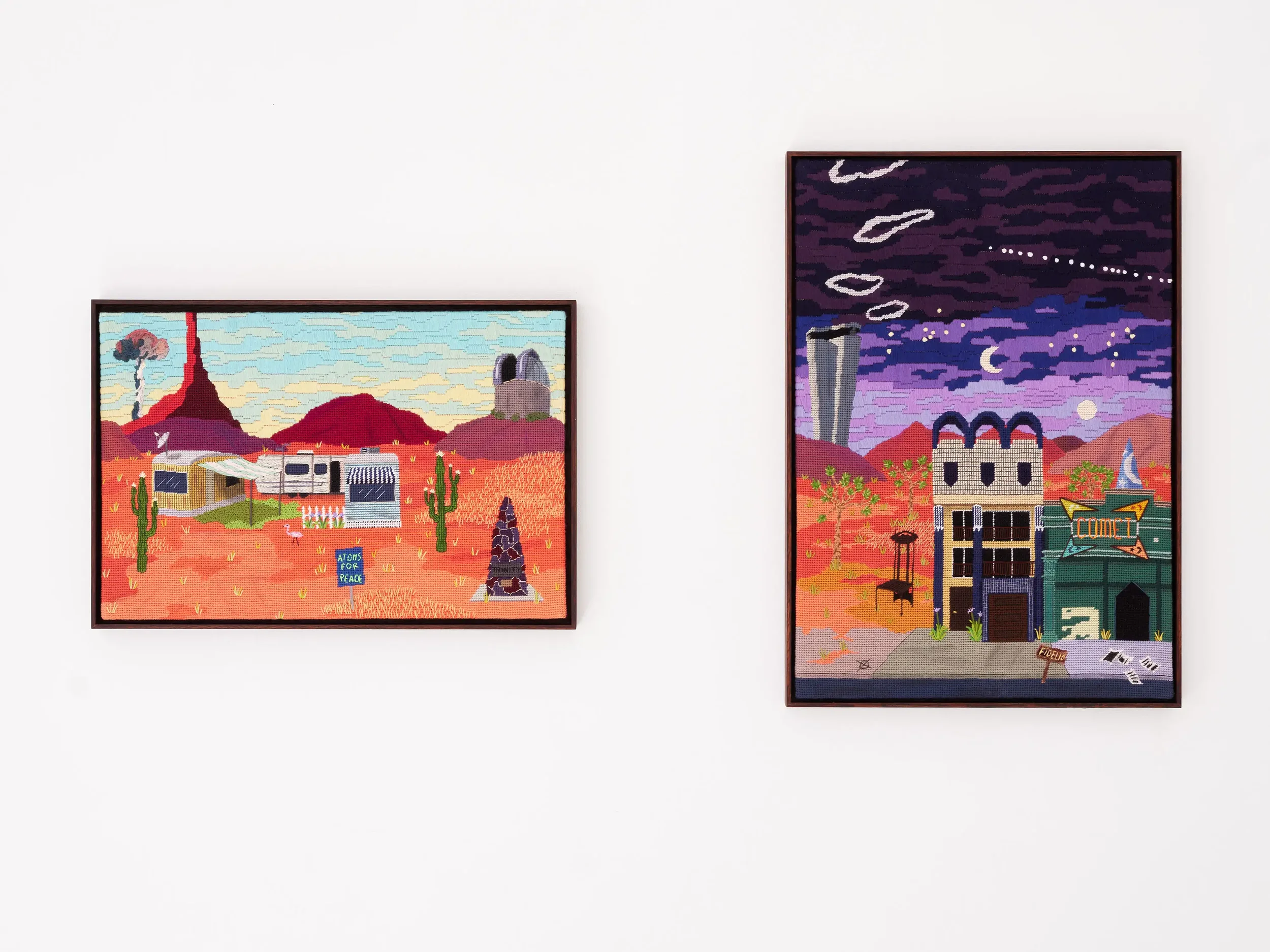
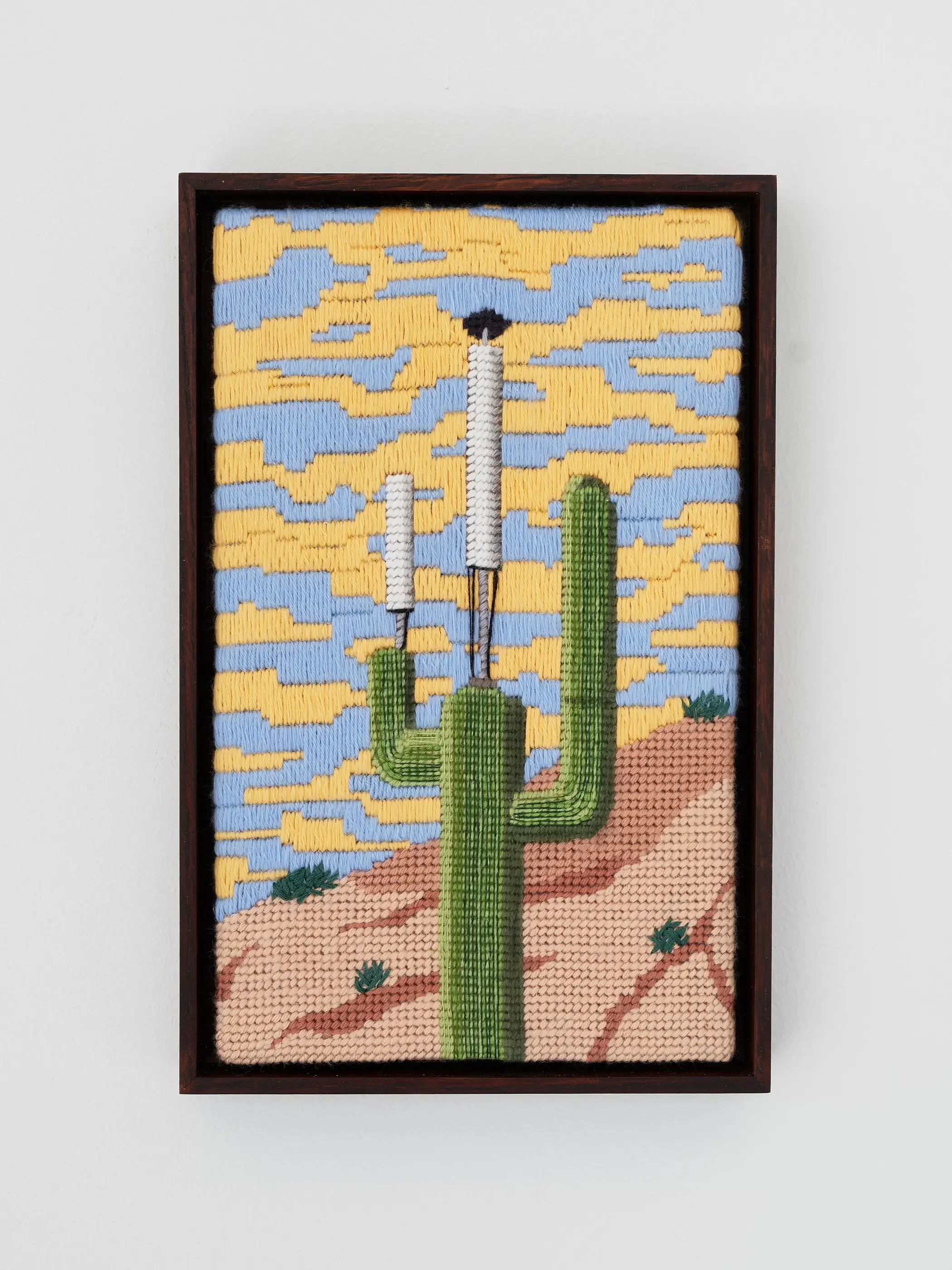
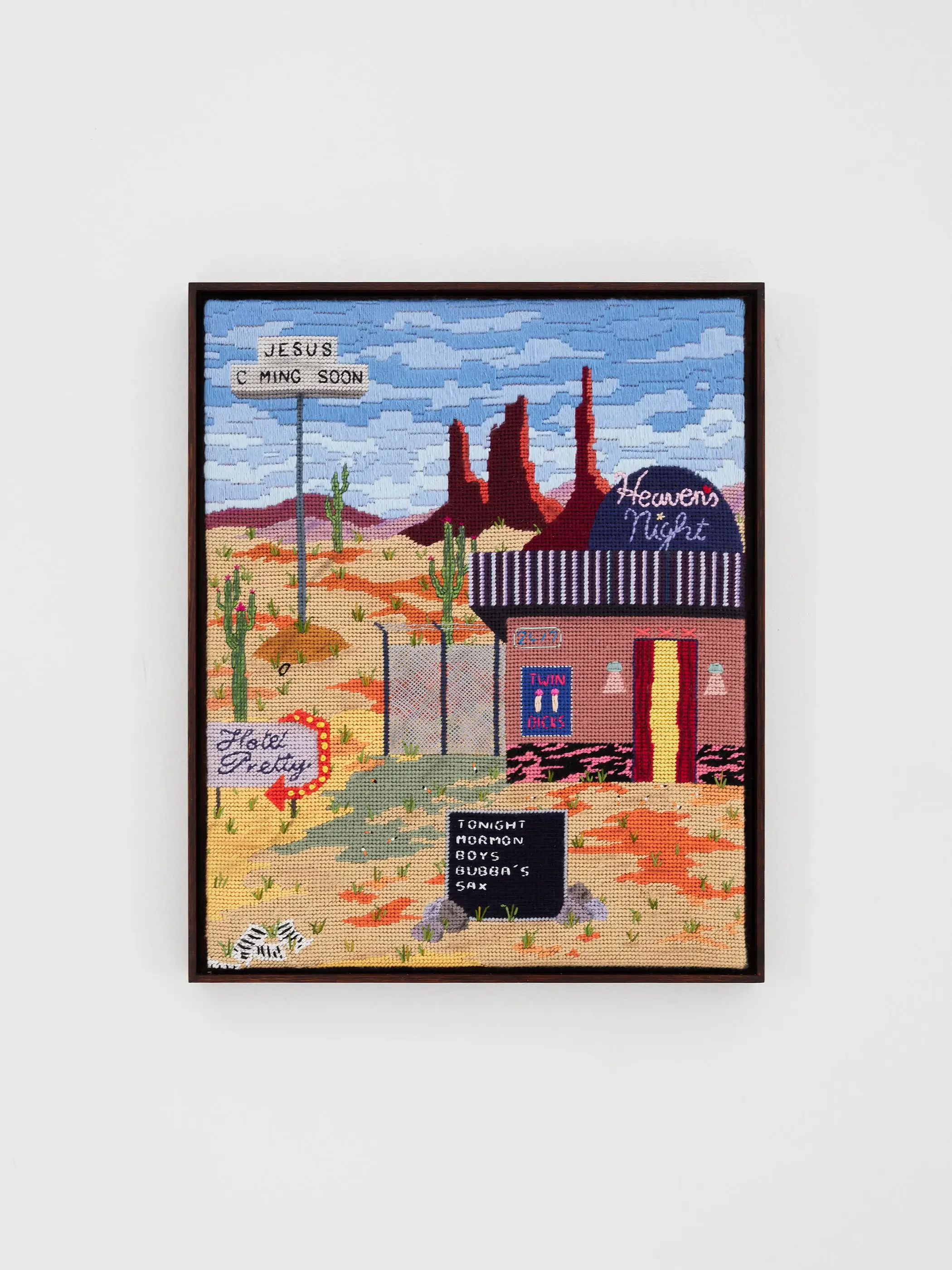
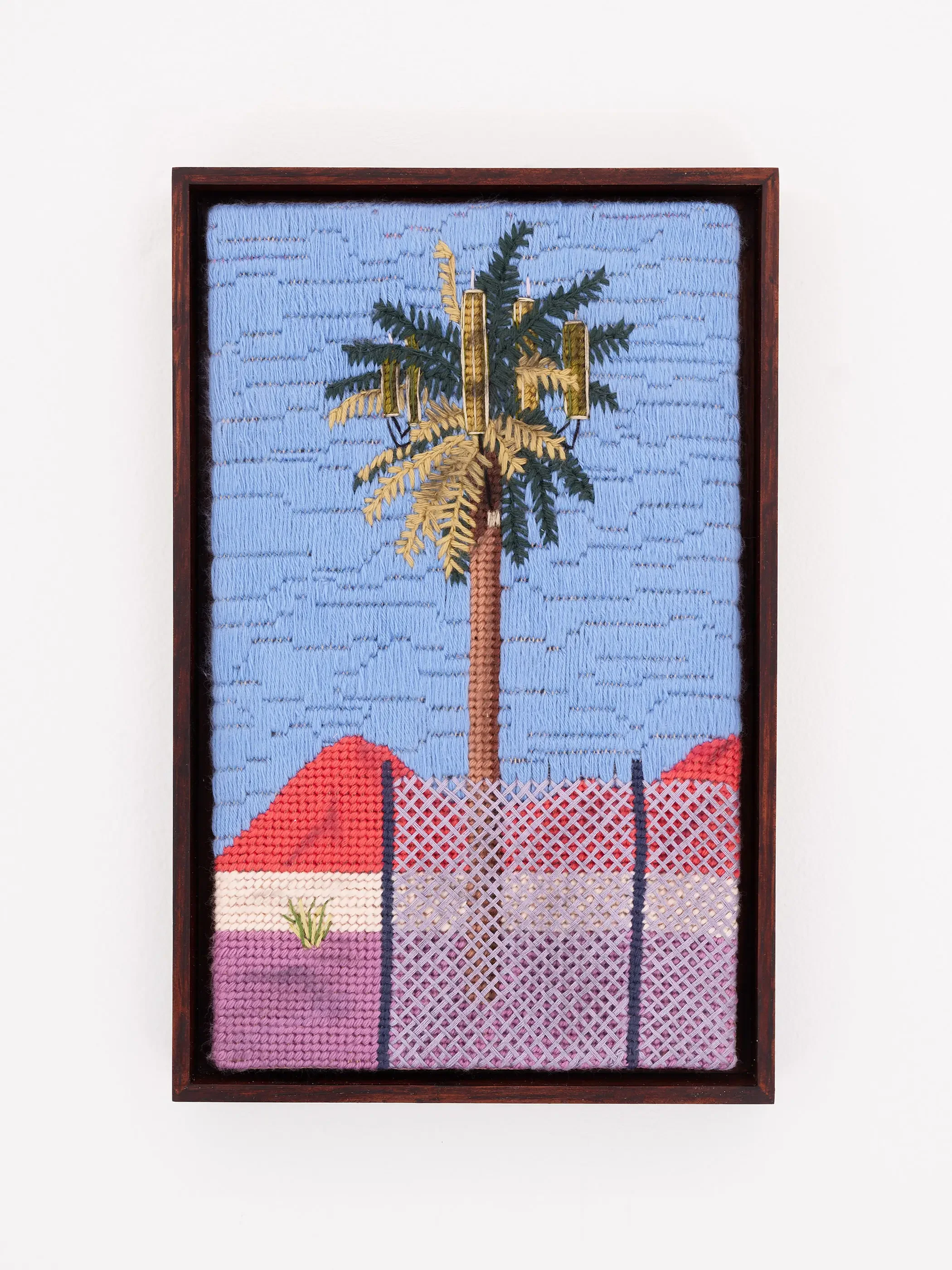
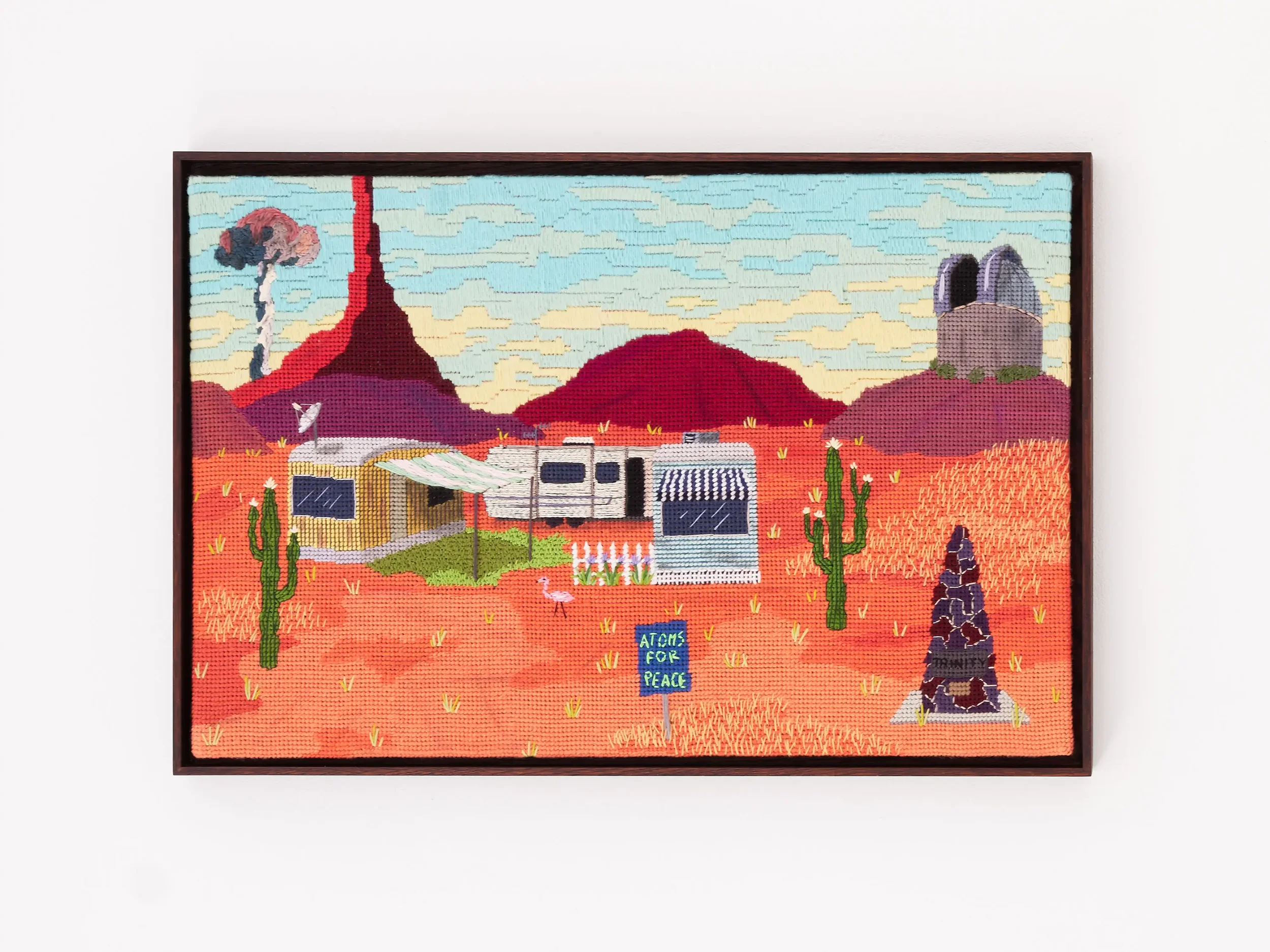
La Traverse welcomes A/C Tales, Victor Siret’s solo exhibition. Based in Marseille since 2022, the artist presents for the first time a body of work inspired by his adopted territory. Through a series of textile paintings, he offers a Marseille crossed by motifs and American imaginaries, which he has been exploring since childhood.
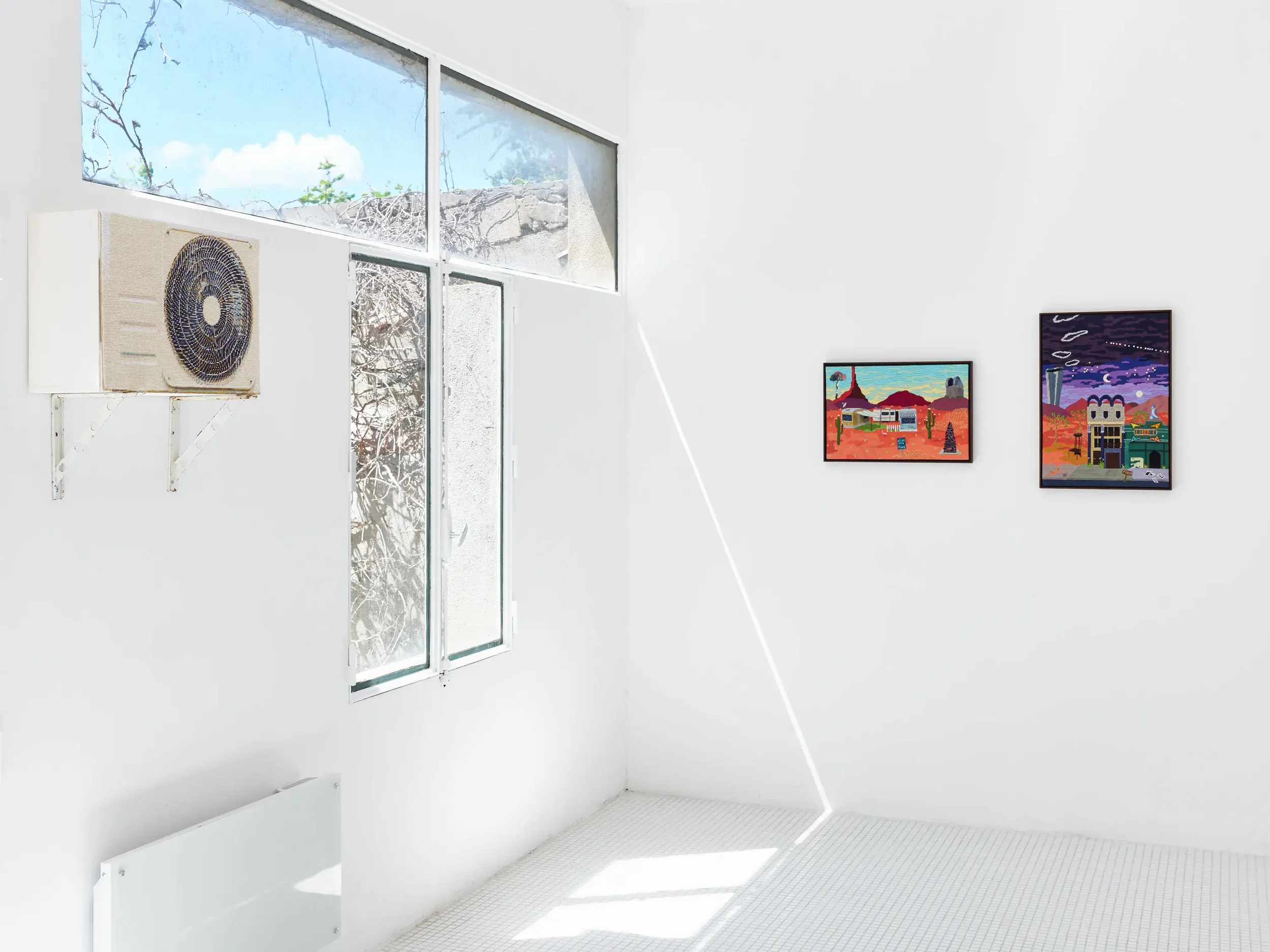
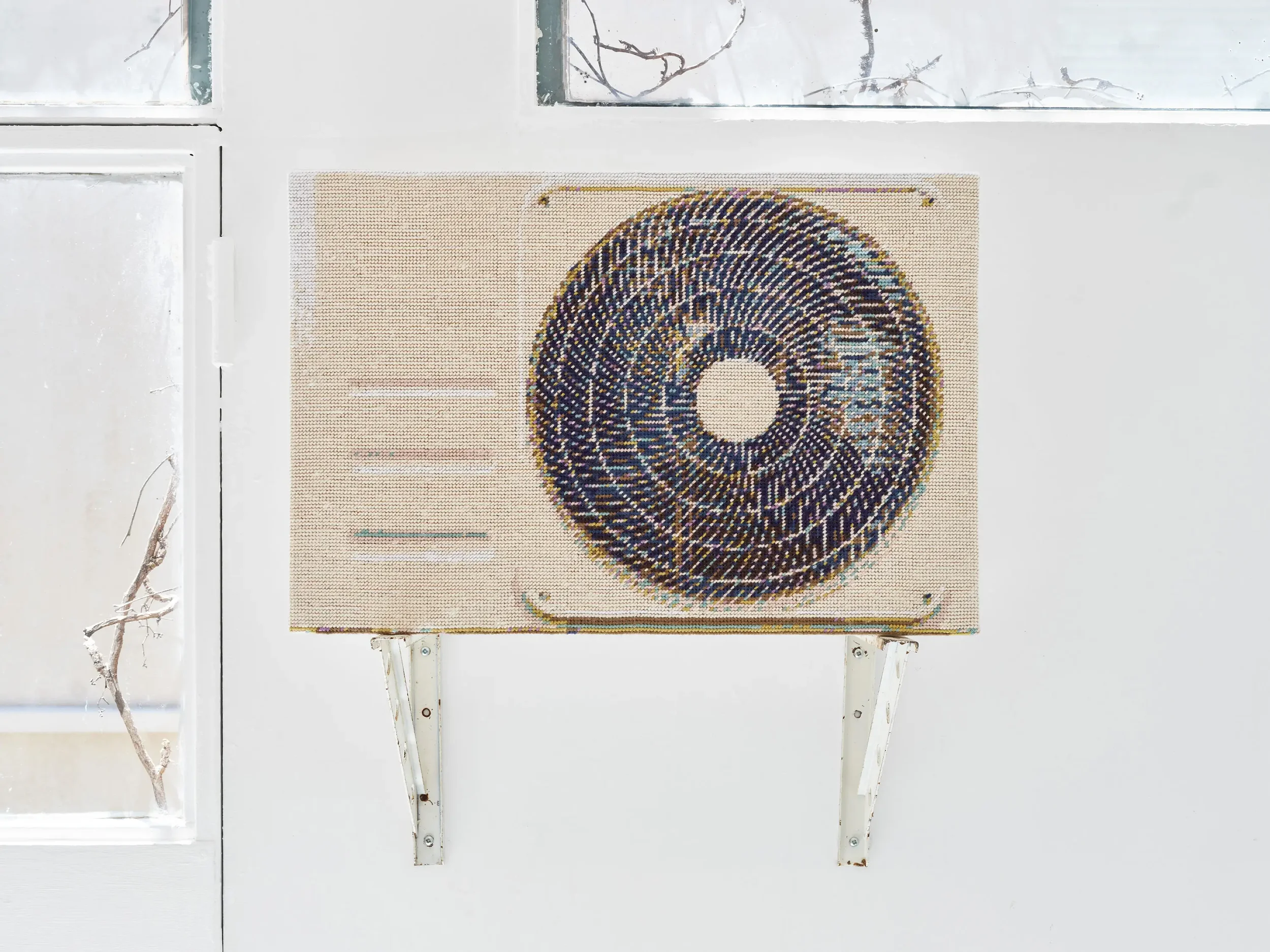
The exhibition invites us to wander through fragments of feverish memories of an empty and desert-like city, where it is no longer the mistral that blows, but the air from air conditioners. In Marseille, as in the United States, air conditioners are taking over the façades.
A/C — for Air Conditioning — is the English abbreviation for climate control. A modern tool that imposes the closing of windows and produces a dry and artificial air, while Tales refers to tales — originally cruel and moralizing.
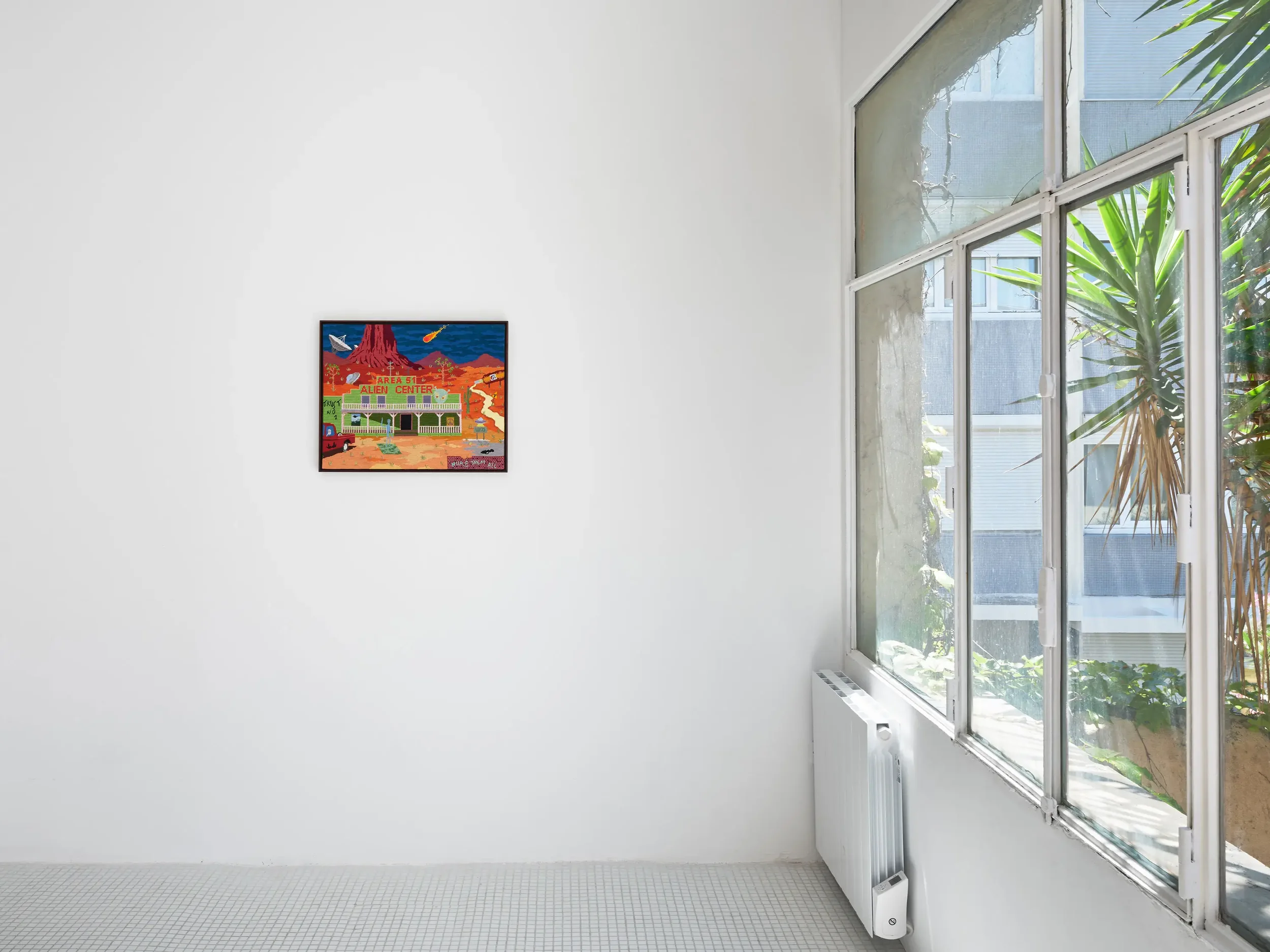
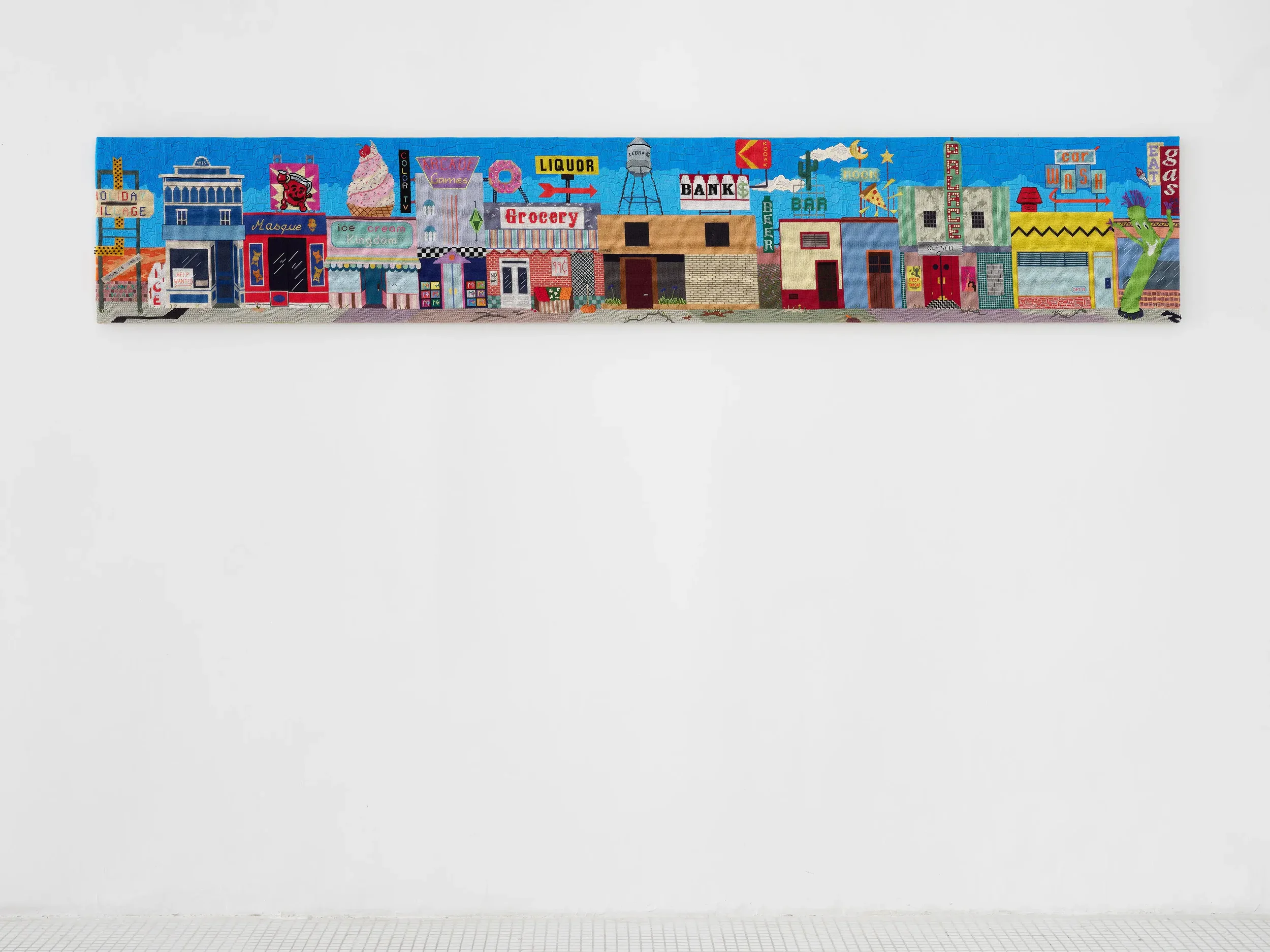
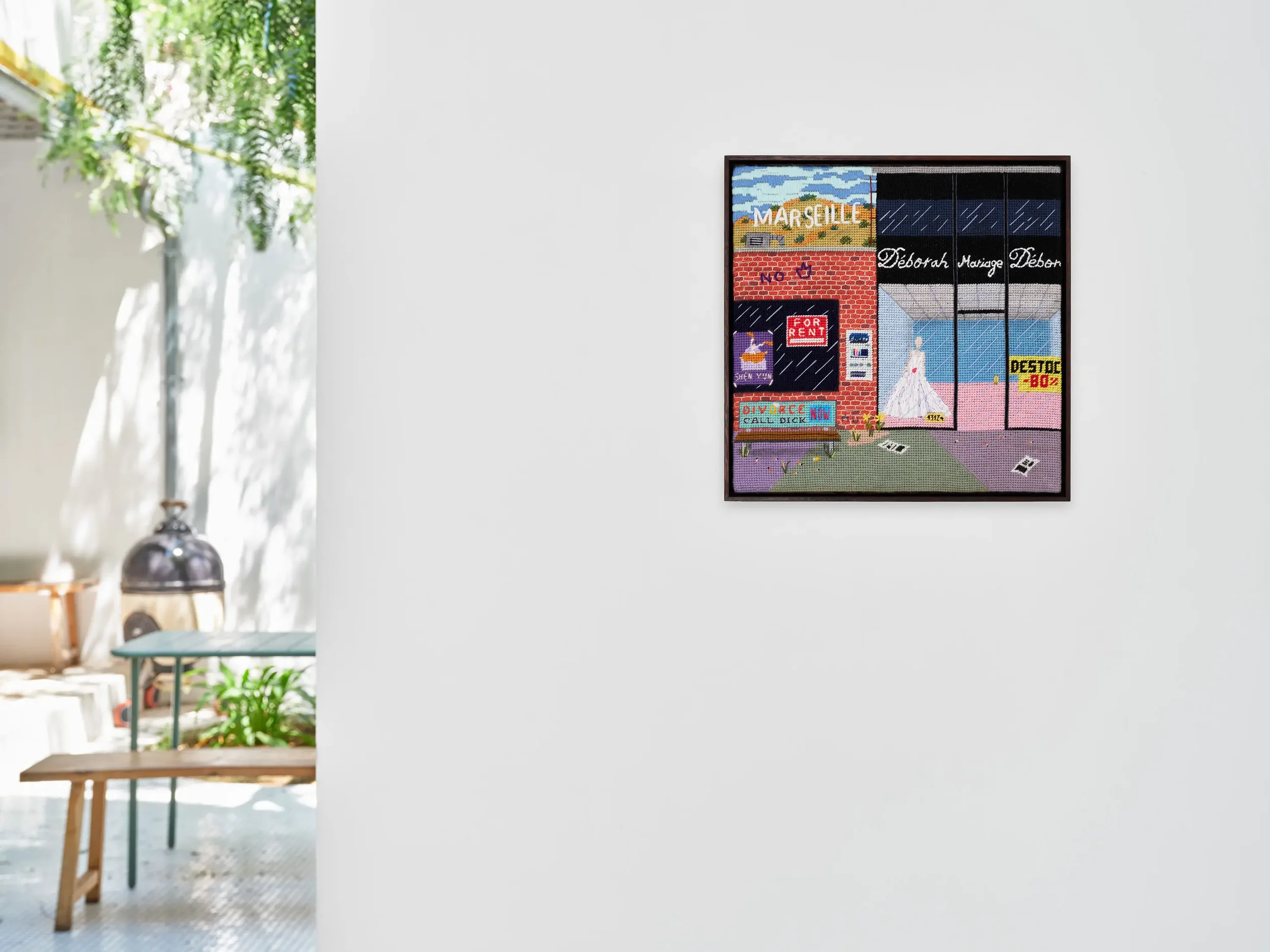
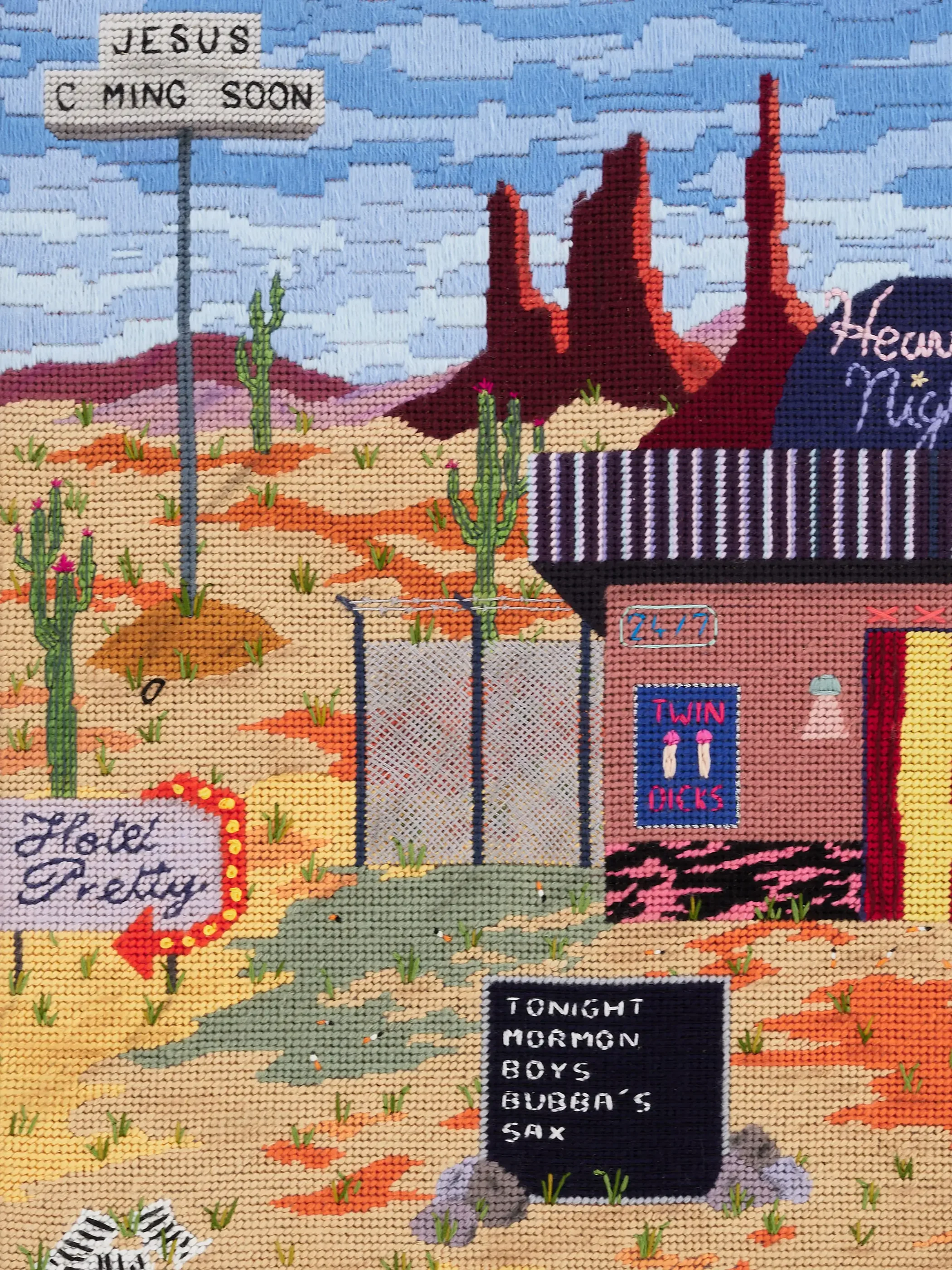
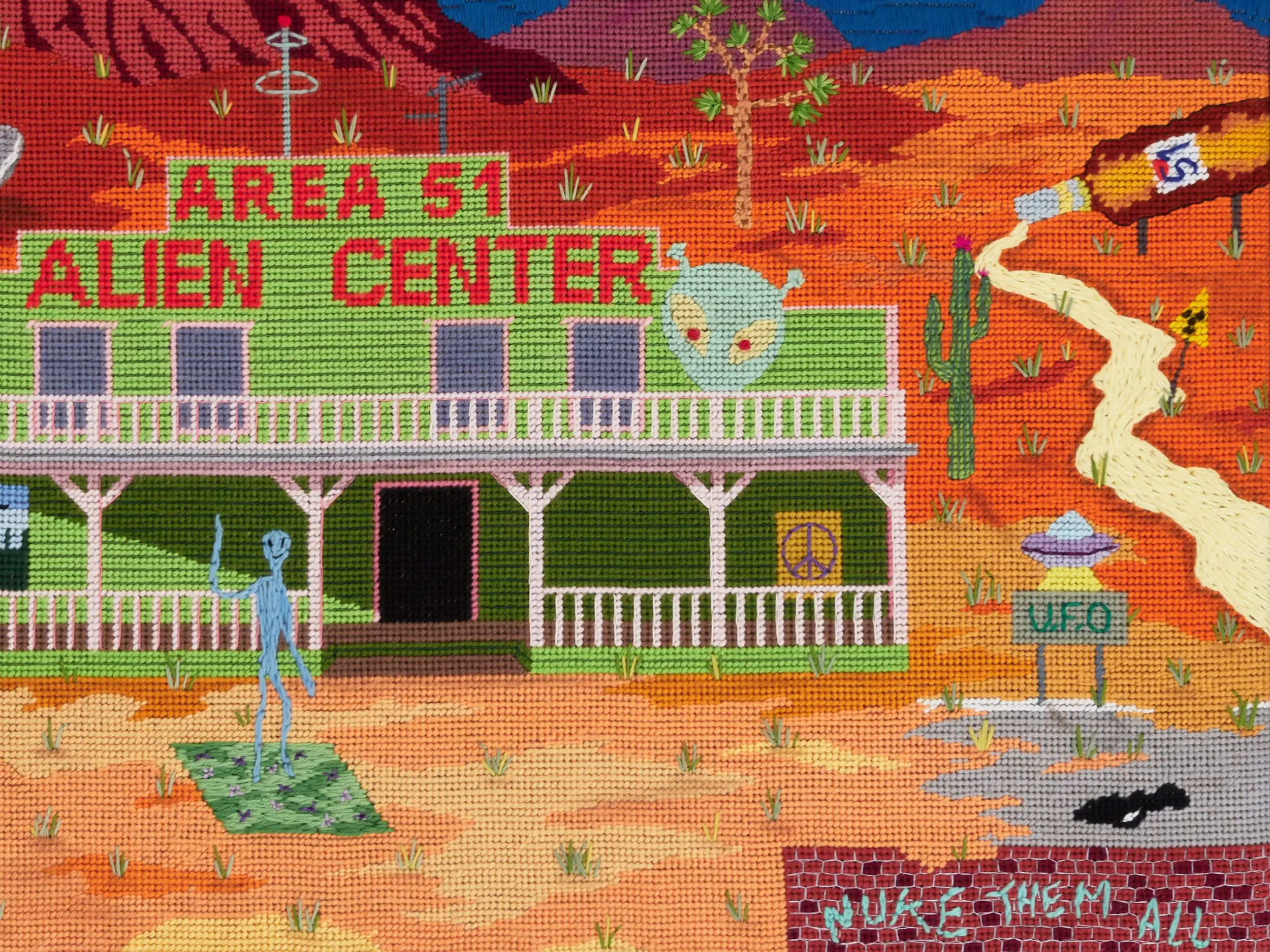
He mobilizes heterogeneous images — cinema, television, video games, advertising — extracts them from their flow and reconstructs them by hand, through canvas work and embroidery. This passage from the digital to the textile introduces a slowing down, a distancing: the image is recomposed, digested, transformed, sometimes heightened by interventions in graphite or colored pencil.
Nourished by cinema, he constructs his compositions in the manner of a director of photography, with particular attention paid to framing. Streets, façades and interiors are organized like film sets. Together, they compose a city-as-set, where real buildings, objects drawn from fiction or from a design catalogue, and cultural references are superimposed. This hybridization produces anachronisms and slippages, and establishes a continuity between the real and the imaginary. Marseille appears there as a space crossed through, even contaminated, by external forms and narratives, replayed within a local context.
Humor runs through the exhibition constantly. Present in the titles, often in English, as well as in the texts integrated into the works — signs, slogans, fragments of sentences — it introduces a shift. This use of English participates in the visual universe being summoned. Language becomes a material in its own right, just like image or textile.
The exhibition is structured around several themes that intersect without hierarchy: conspiracy thinking, consumption, the economy of the couple — from marriage to divorce — to which are added references to current events and contemporary imaginaries: atomic tourism, media affairs, the subprime crisis, sectarian drifts, the closing of shops in city centers. These elements are never illustrated head-on, but disseminated in the form of clues, details and narrative fragments.
Each work thus offers several levels of reading: a first access through the vividness of color, then, as the gaze lingers, the appearance of more discreet signs. One must still share, at least in part, the multiple references that nourish this work. Between familiarity and unease, the exhibition reveals a space — between interior and exterior scenes — where fiction can no longer be distinguished from reality, but gradually comes to alter its perception.
Justine Siret, 2026